27/09/2026
“He changed his mind and went”
We live in time so we can change and repent. Jesus started his public ministry with, “Repent: For the kingdom of Heaven – the reign of God – is at hand.”(Mt 4,17)
To repent is, perhaps with advice from a trusted and wise friend, to change our mind and behaviour. Repentance, derived from the Greek word "metanoia," – ‘think again’ - signifies a profound transformation of heart and mind, leading to a conscious decision to turn away from sin and align one's life with God's will. It is the beginning of a new life.
Living in Czechoslovakia, during world war 2, I thank God that Hitler, flushed with victory in Europe, did not think deeply and accept intelligent and educated advice, before invading Russia. Had he realised the size of Russia and thus the length of logistic supply-lines and the winter temperature – down to minus 90 degrees Fahrenheit - he may have changed his mind. Providentially he did not, and thus lost the war – as Napoleon had done the same in 1812.
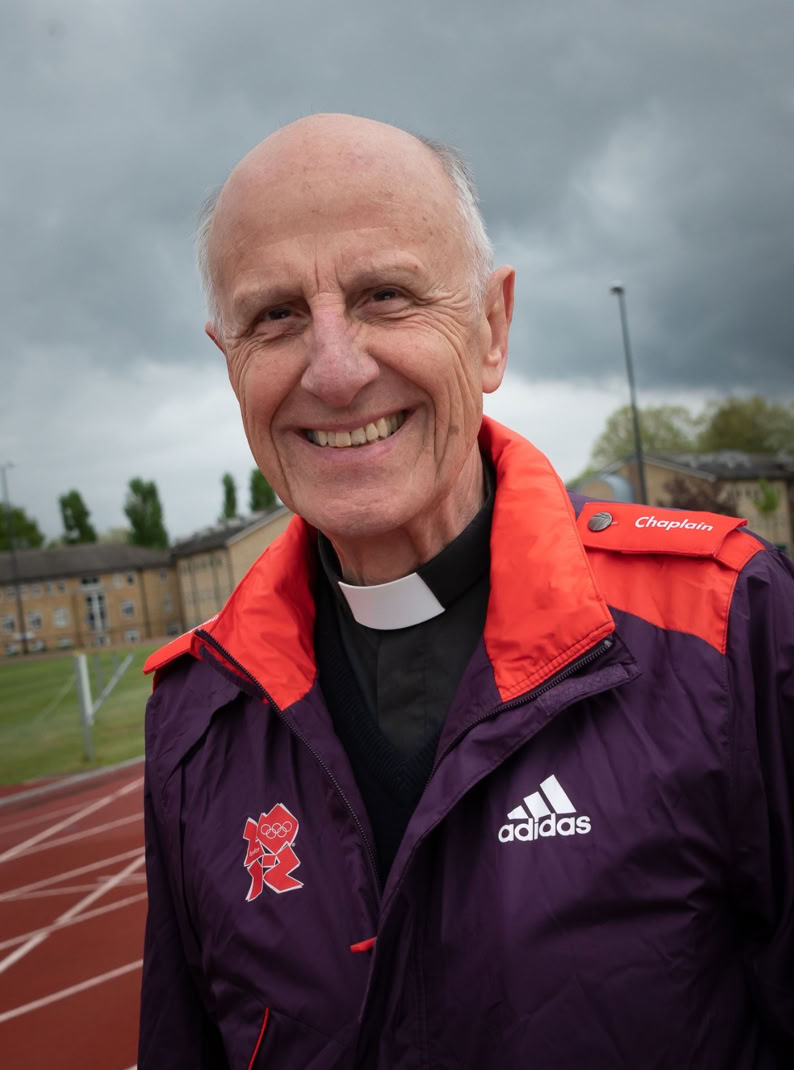
It is wise to learn from the mistakes of others. Thanks to my 57 years of priesthood, I have been close contact with many sinners and thus learnt a lot about the effects of sin. The fear of damaging my relationships with God and humanity have kept me - more than less - on the straight and narrow.
While still at school – a good Catholic school – I was taught to examine my conscience every day. If that day I had been lazy, unkind to others, self-indulgent, I learnt how the next day I could change my behaviour.
As a freshly ordained priest, my homilies were thorough – and long. Luckily for you, I repented and for the past 40 years they became short.
In a word, the past is a rehearsal for the present of the present – in which we and God are present. With age, with time, we can learn to be wise – if we learn to repent and learn from our mistakes.
copyright Prof. Msgr. Vladimir Felzmann